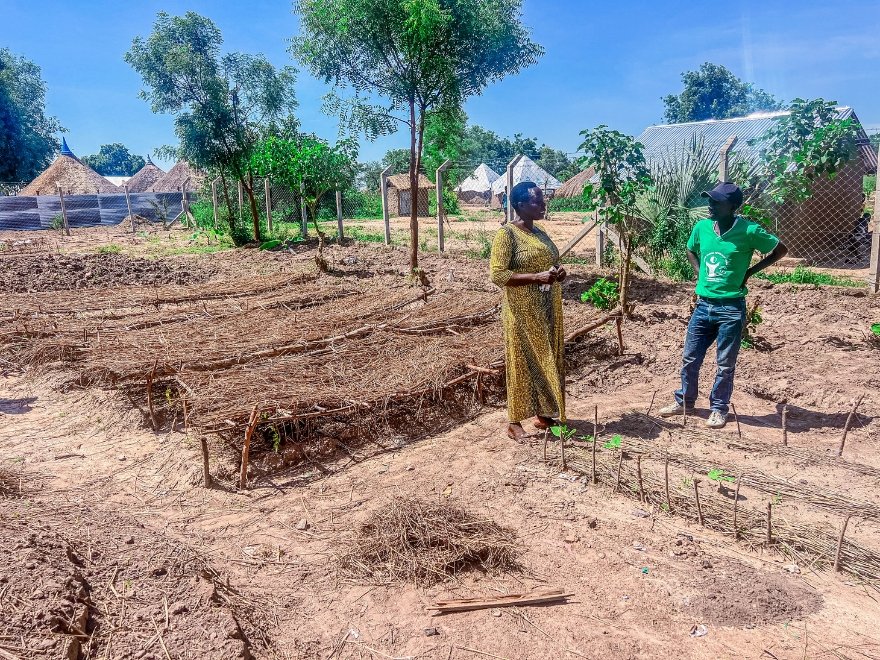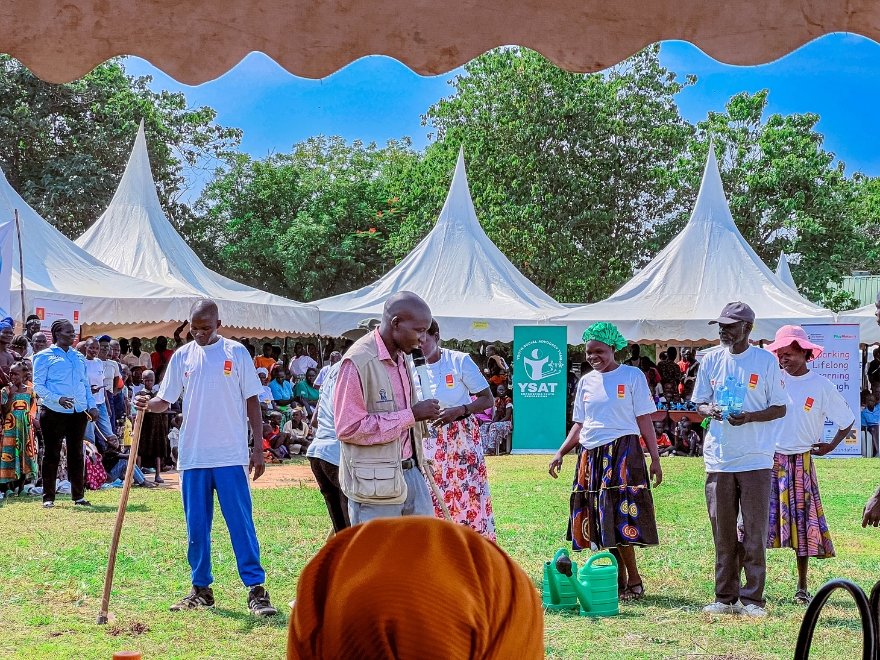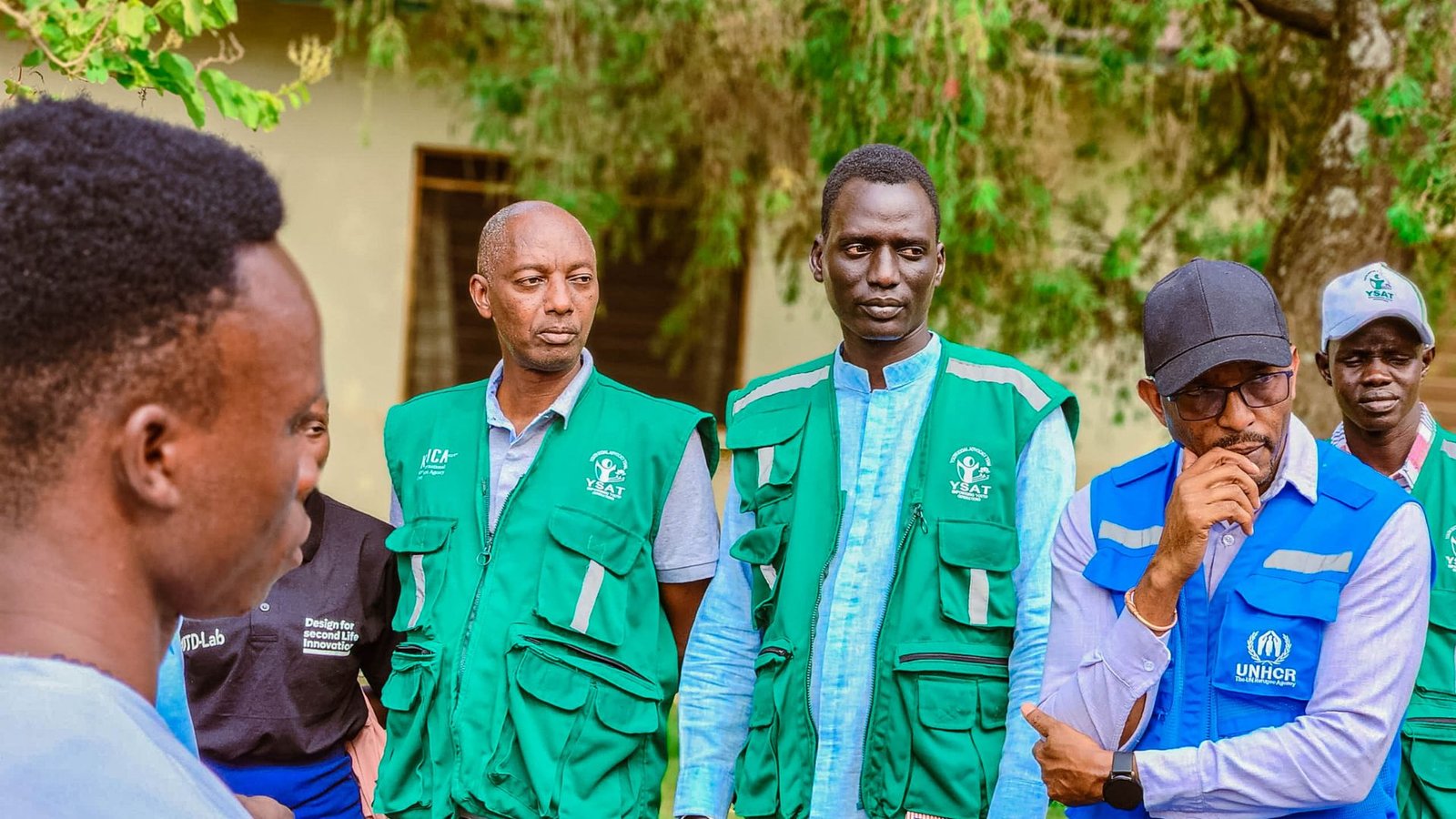
Youth Social Advocacy Team (YSAT) is a refugee-led non-profit, non-governmental Organization founded in 2017. Our core mandate is to support conflict-affected youth by tackling barriers to access to quality education and dignified, sustainable livelihoods, and by addressing the root causes of violent conflicts in displacement settings. Our staff are members of the communities we serve, because we believe refugees must lead their own development
Learn More About Us
Every year, millions of people are forced to flee their homes because of war, persecution, and climate shocks. Uganda now hosts over 1.9 million refugees, making it the largest refugee population in Africa and the highest in the country's history. The West Nile sub-region alone hosts over 841,000 people who fled conflict mainly in South Sudan, the Democratic Republic of Congo, and Sudan.
These communities face a dense web of overlapping crises. Many receive less than half the food rations they need to survive, after the US funding cuts of 2025 wiped out what little safety net existed. In a single year, GBV incidents rose by 33%, with 98% of survivors being women. Child protection cases rose 37%. In the classrooms where YSAT works, a single teacher sometimes faces 300 children. Refugee youth unemployment stands at 96%. Only 42% of Uganda's refugee response is funded.
YSAT exists to fill these gaps, not as an outside organisation parachuted in, but as part of the community itself.
While South Sudan is battling one of the world's most severe intersectional crises, decades of localised conflict, systemic political fragility, and climate-induced disasters have left millions dependent on a shrinking pool of international aid.
The table below outlines how the national crisis maps directly onto YSAT's Core Thematic Pillars.
Over 2.1 million internally displaced persons (IDPs) live in South Sudan. The ongoing conflict in neighbouring Sudan has pushed over 1.3 million new arrivals — refugee returnees and Sudanese refugees — across the border into hyper-strained local communities.
SGBV remains rampant, with an estimated 65% of women and girls experiencing physical or sexual violence. Proliferation of small arms and weak governance fuel localised militia recruitment, revenge killings, and systemic protection risks for youth.
Armed conflict and extreme flooding systematically destroy schools. Millions of crisis-affected youth and girls face absolute barriers to basic literacy, leaving an entire generation cut off from formal training, secondary education, or professional mentorship.
More than half the population faces catastrophic food insecurity. Decades of marginalisation have gutted economic options, while widespread explosive hazards further limit access to fertile agricultural lands and main supply routes.
Every figure below represents real people, families fed, children in classrooms, communities protected, and futures rebuilt through refugee-led action.
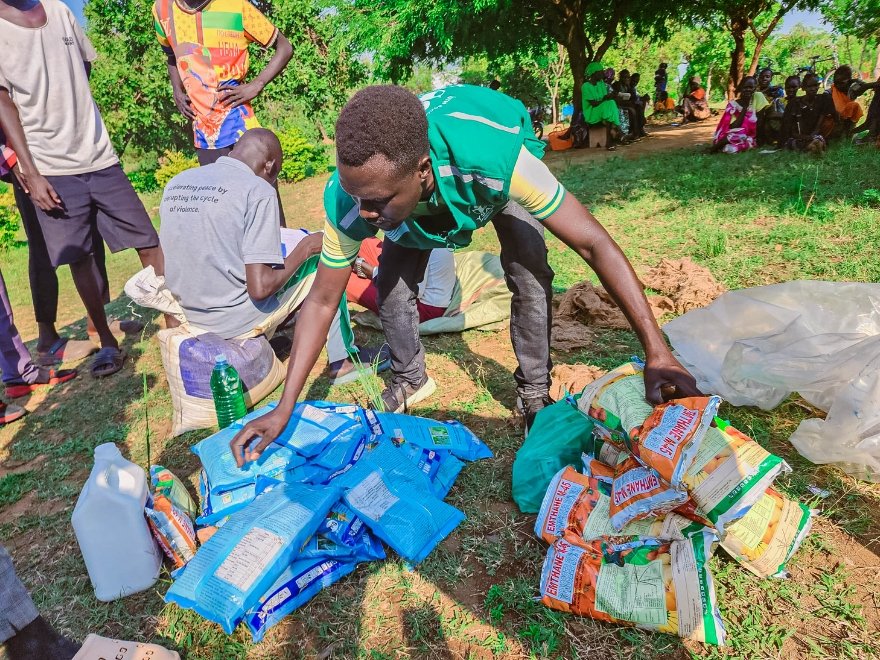
Individuals Reached: 55,380 In-Kind Food and 54,987 Cash Assistance
Total Funds Disbursed: UGX 347M CfW to 1,963 Households, UGX 180M to 50 Social Enterprises and UGX 15M to School Enterprises
Individuals Reached Through Protection: 4,325 Adults and 10,152 Children
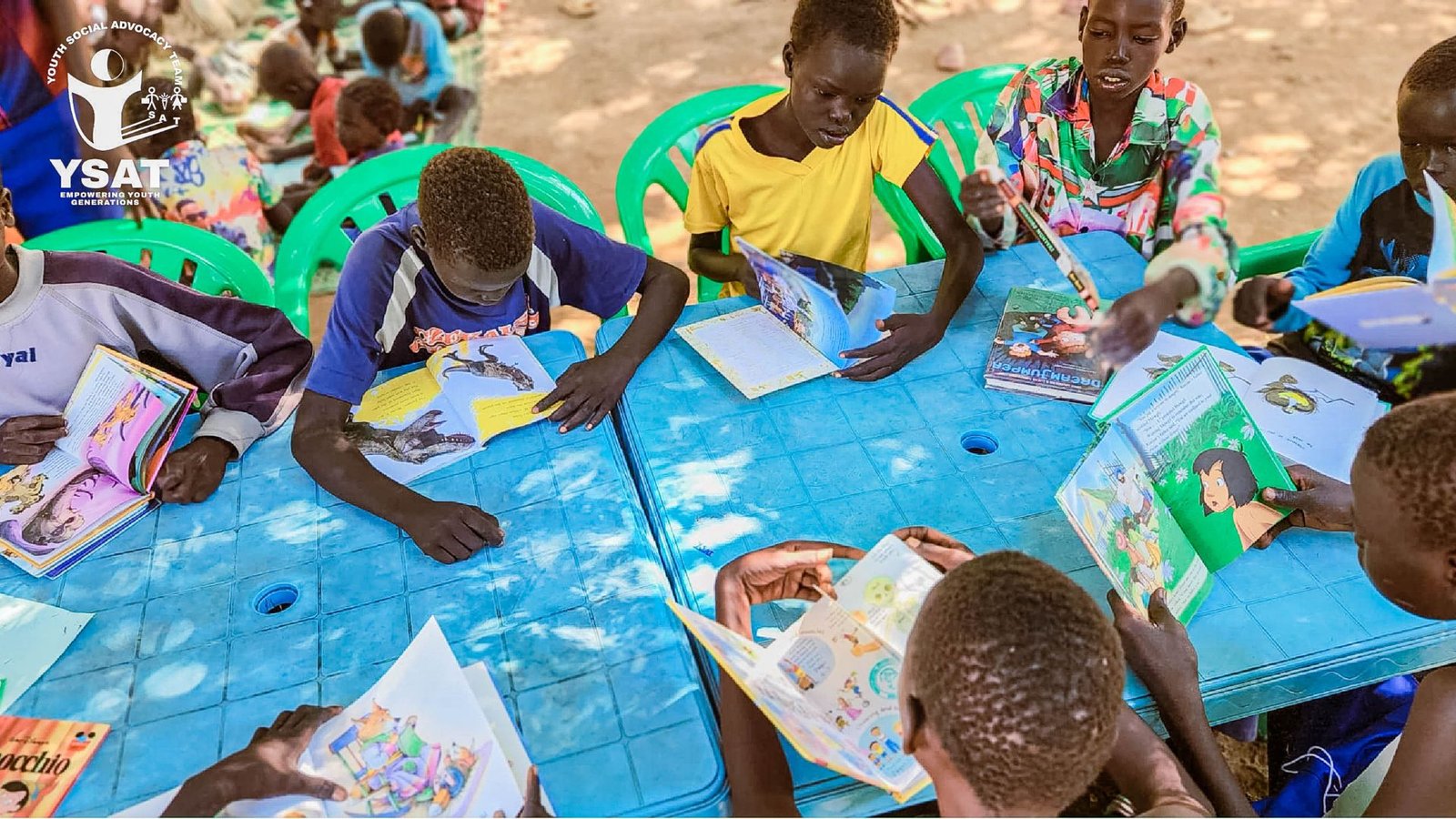
Children Supported with Psychosocial Education
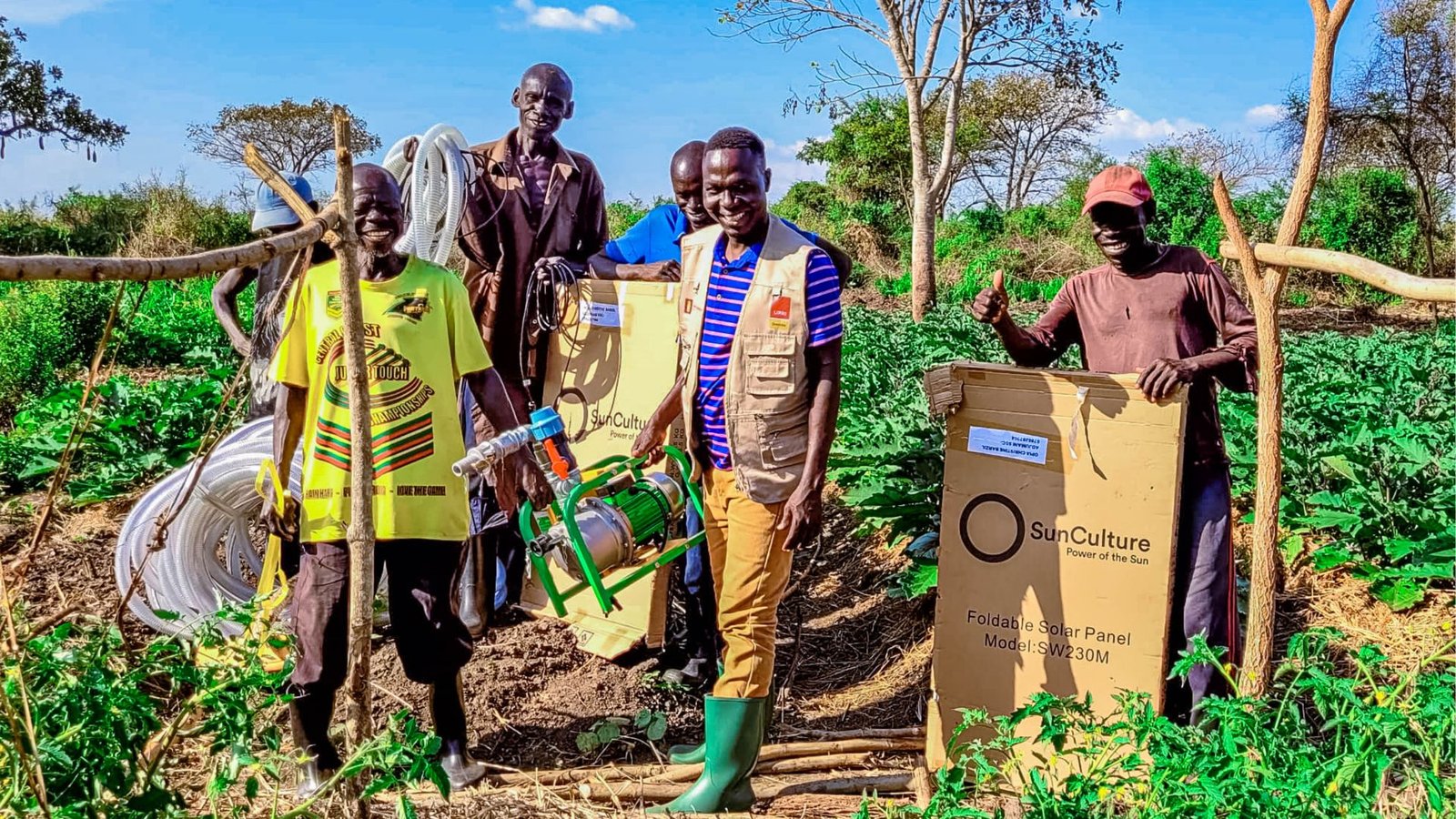
Livelihoods: 1,838 Youth in Vocational Skills and 1,653 Farmers on Climate-Resilient Practices
Land Restored: 355 ha Seedlings (112,325 plants, 4,804 Households), 355.3 ha Woodlot and 2,238 Clean Stoves Adopted
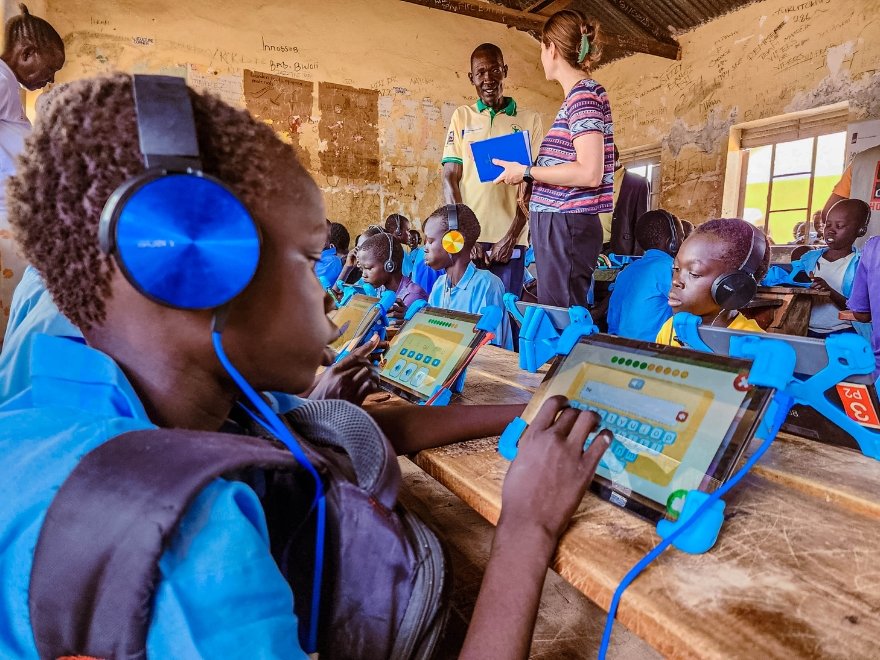
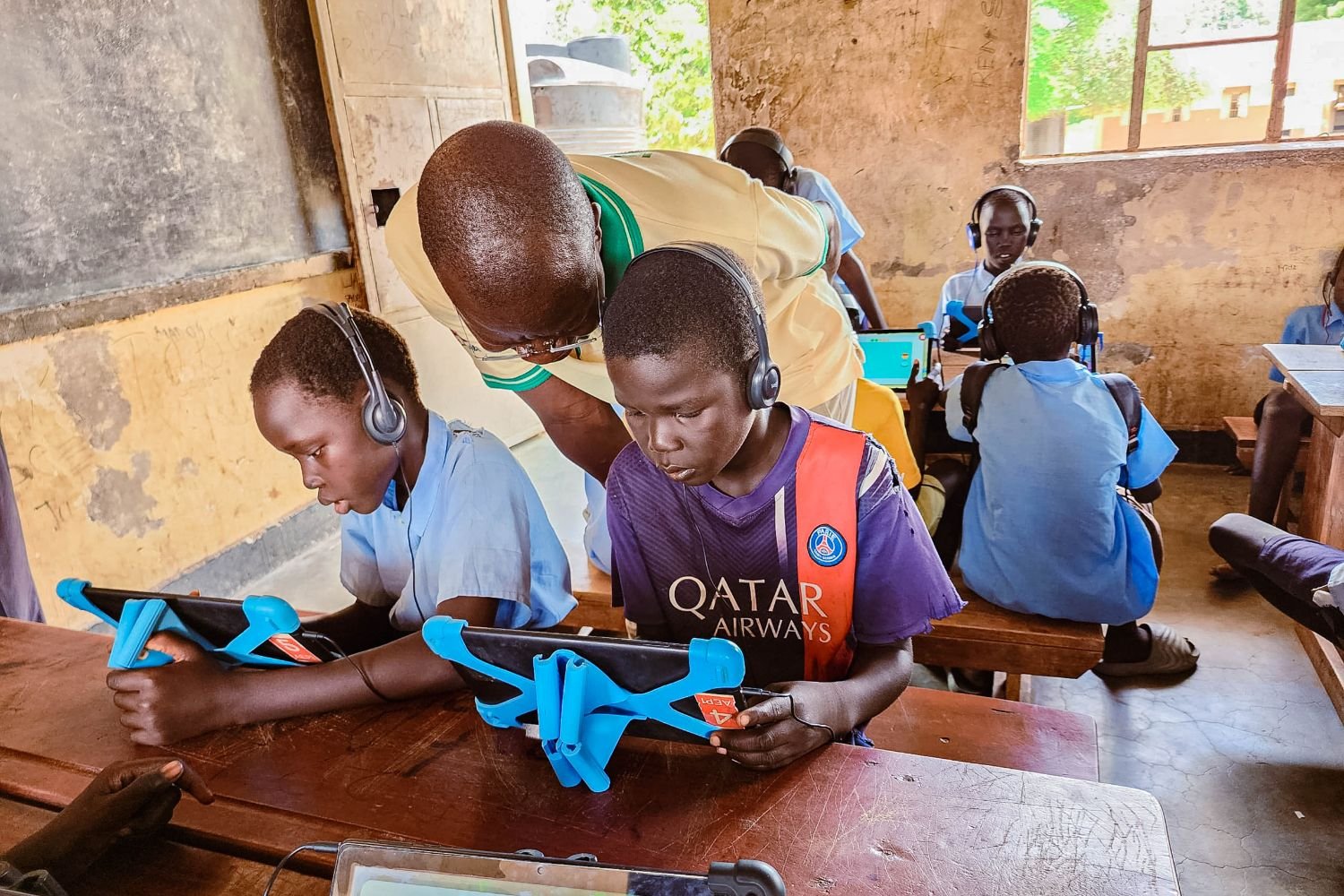
Learners in Emergency Education: 3,680 AEP and 1,141 Digital Learners Across 13 Schools
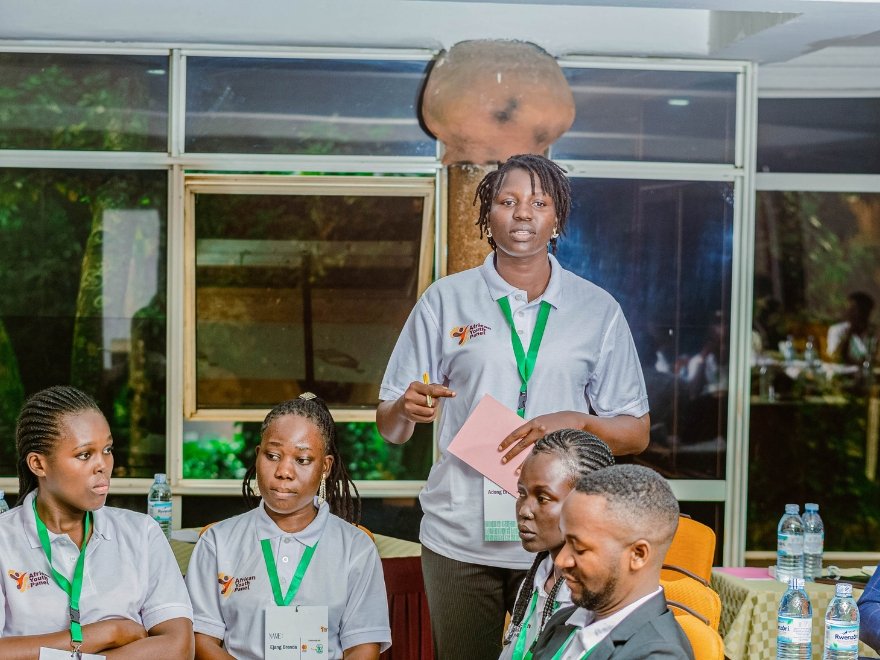
Staff and Community Leaders Capacity Built: 80 RLOs/CBOs and 150+ YSAT Staff
Goats Distributed Under Food for Asset: 210 and 15 for Vulnerable Households
Of Community-Led Impact
Staff Serving Communities
YSAT is refugee-led in the fullest sense of that term. Our founder John Jal Dak and the first volunteers did not come from outside to help displaced communities. They were displaced people themselves. From day one in 2017, every leadership decision, every programme design, and every partnership commitment has been made by people who have personally experienced forced displacement. That is not a positioning statement. It is an organisational fact. Today, YSAT has 117 staff across Uganda and South Sudan, five programme pillars, an ICT Innovation Hub, and a seat at global policy tables in Geneva, Copenhagen, The Hague, and Amman. That growth happened entirely under refugee leadership.
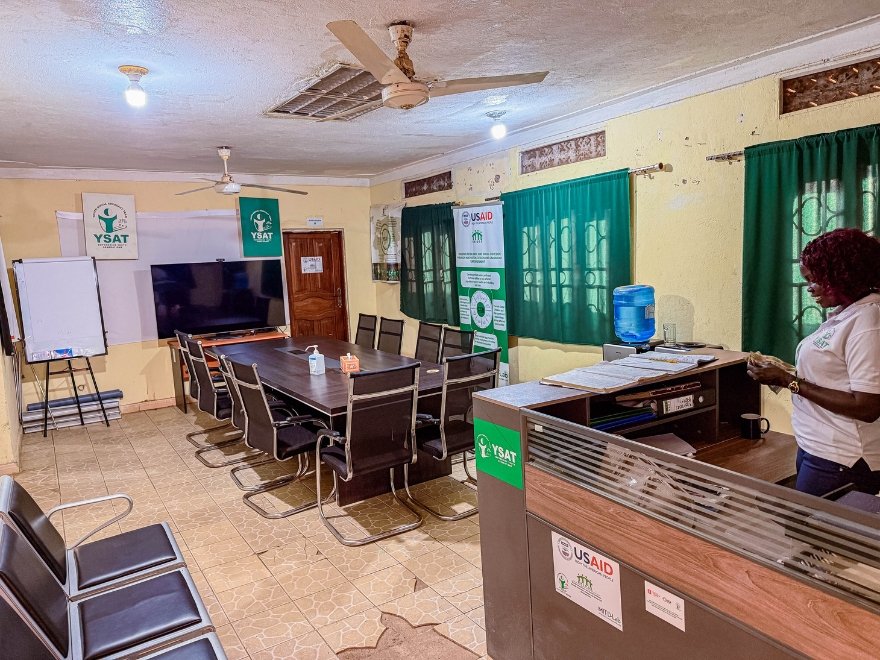
YSAT's programmes reach communities in Rhino Camp, Bidibidi, Imvepi, Pakele, and Kiryandongo in Uganda, and hard-to-reach areas such as Pibor, Ayod, and Duk in South Sudan, which many organisations classify as too remote or too complex to serve consistently. Our presence in those areas is not periodic or project-driven. It is permanent. In March 2025, YSAT inaugurated its own headquarters building inside Rhino Camp Refugee Settlement. That building is owned by refugees and led by refugees. It is a physical statement of commitment that no visiting organisation can make.
YSAT was built on a simple conviction: that the people closest to a problem are best placed to solve it. This is why every programme YSAT designs starts with the community and not above it. Refugees are not passive beneficiaries waiting to be helped. They are farmers, innovators, peace ambassadors, teachers, and entrepreneurs. VSLAs continue managing their savings after the project ends. Water User Committees maintain reservoirs. Community Education Committees hold schools accountable without external facilitation. When YSAT completes a project, it does not leave a gap. It leaves a functioning community institution.
Most organisations operate in one of three tracks: humanitarian response, development programming, or peacebuilding. YSAT runs all three simultaneously because displacement does not divide itself neatly into categories. The same farmer in a VSLA group is also trained in GALS gender equality methodology. The same child receiving TeamUp psychosocial support also benefits from a Community Education Committee that YSAT helped establish. The same cash-for-work participant planting trees is also attending a Peace Club session. The Triple Nexus is not a framework for YSAT. It is what a Tuesday looks like.
The YSAT ICT Innovation Hub in Rhino Camp is not a donor showpiece. It is a functioning centre where refugee youth learn, build, and create. Using the MIT D-Lab Creative Capacity Building methodology, participants identify real problems in their communities, design solutions, build prototypes, and exhibit them to partners and government officials. When a young woman in the settlement built a working juice blender and demonstrated it to UNHCR and the Office of the Prime Minister on site, that was YSAT's innovation culture made visible. That is not a beneficiary. That is an innovator.
YSAT completed four consecutive annual external institutional audits. Our 96% expenditure rate means resources reach communities, not administration. We achieved direct implementing partner status with USAID through the FAA after three years of demonstrated capacity as a sub-awardee. YSAT's goal, stated in its 2026 to 2030 Strategic Plan, is to be a reputable, fundable, and findable regional refugee-led organisation of choice. These are not aspirations. They are backed by verifiable numbers that place YSAT among the most operationally credible refugee-led organisations in East Africa.
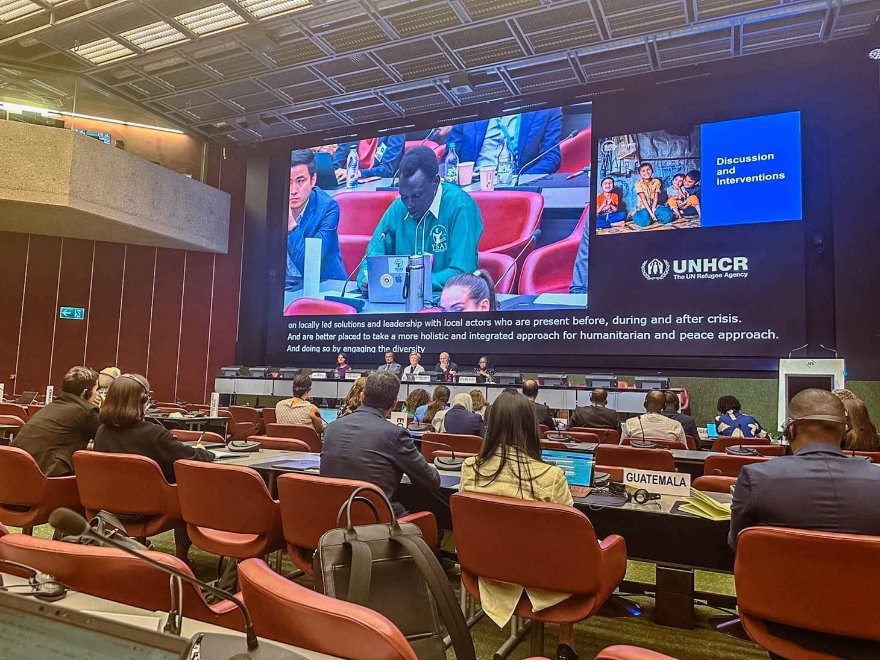
YSAT does not just benefit from localisation. It shapes it. John Jal Dak serves as Co-Chair of the Charter for Change Working Group on the Localisation of Humanitarian Aid and as a UNHCR Global Advisor to the task team on meaningful partnerships with displaced-led organisations. YSAT has unmatched brand visibility and strong representation at regional and global spaces including Geneva, Copenhagen, The Hague, Berlin, Amman, and Ethiopia, without relocating its headquarters or losing its roots. When the conversation about who leads humanitarian response happens at the Global Refugee Forum, YSAT speaks from the stage.